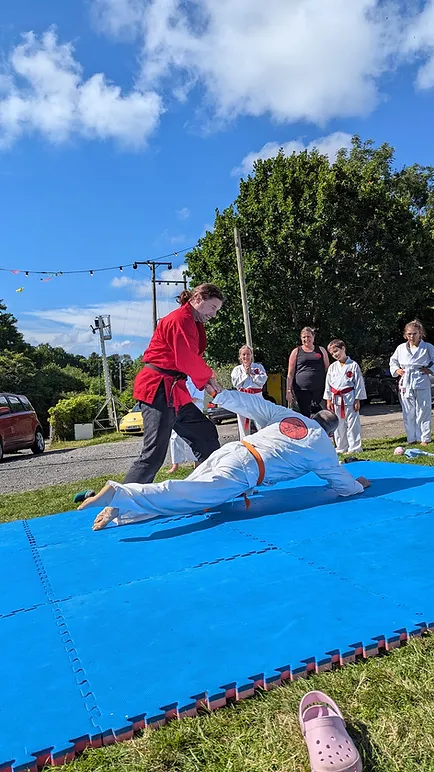
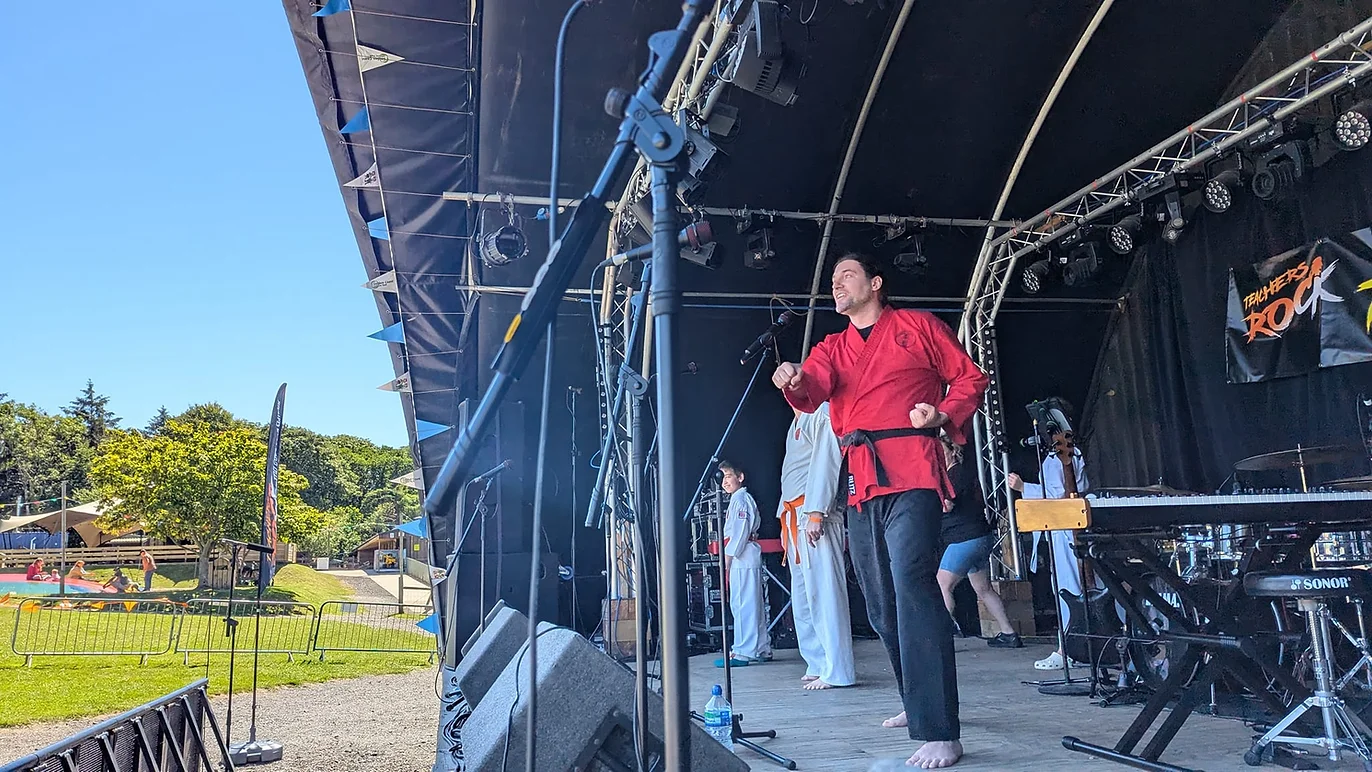
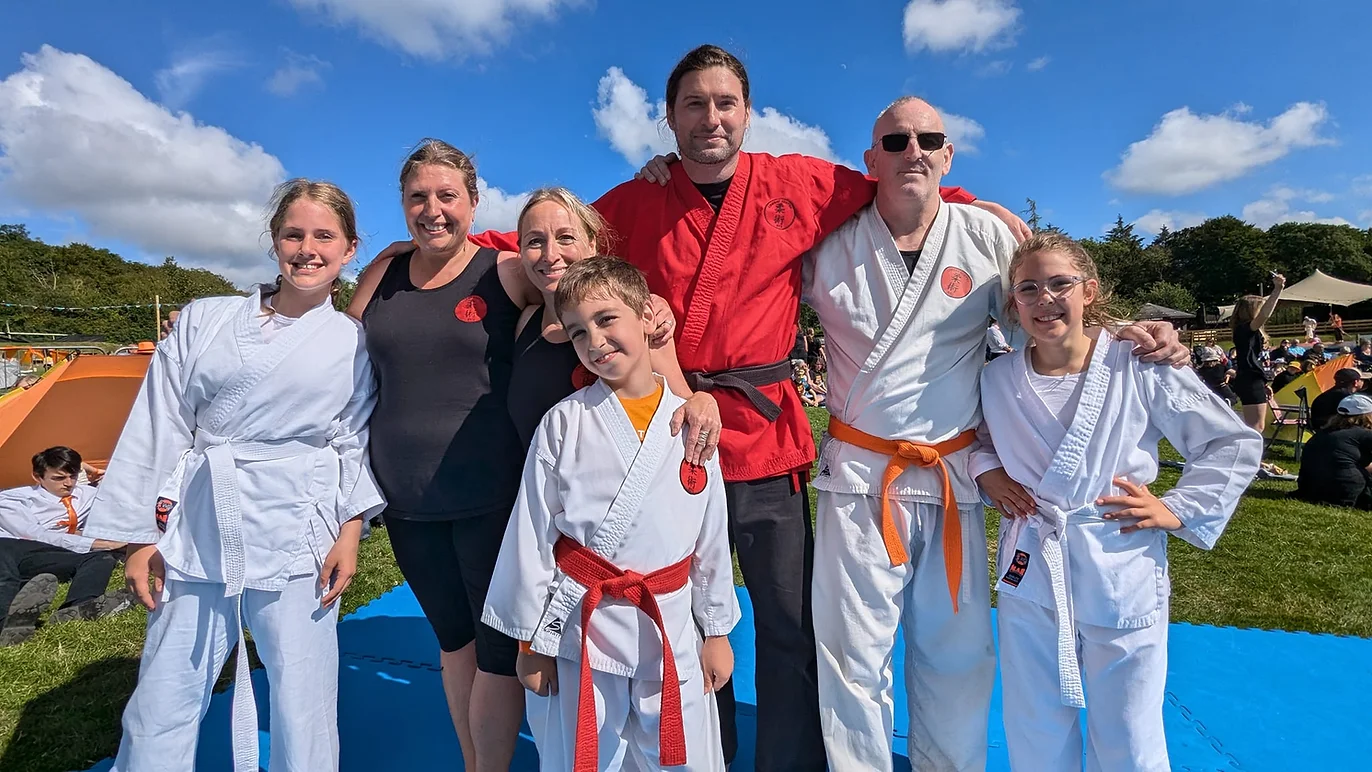
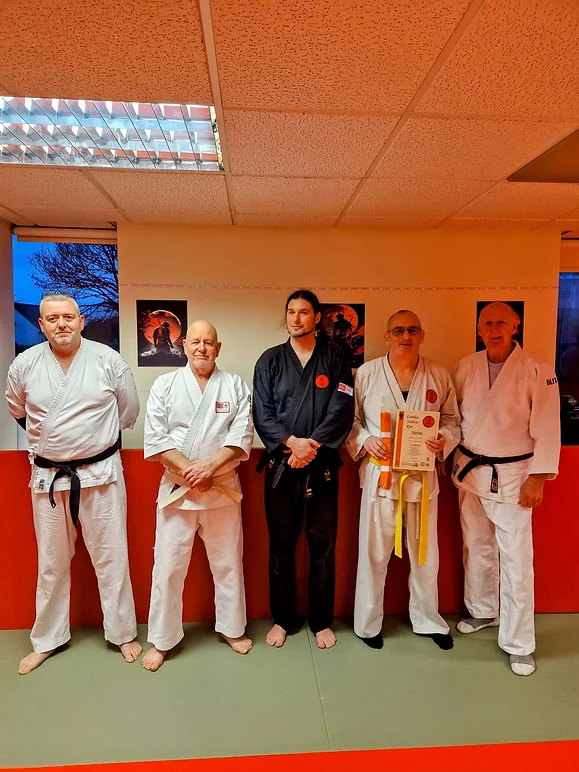
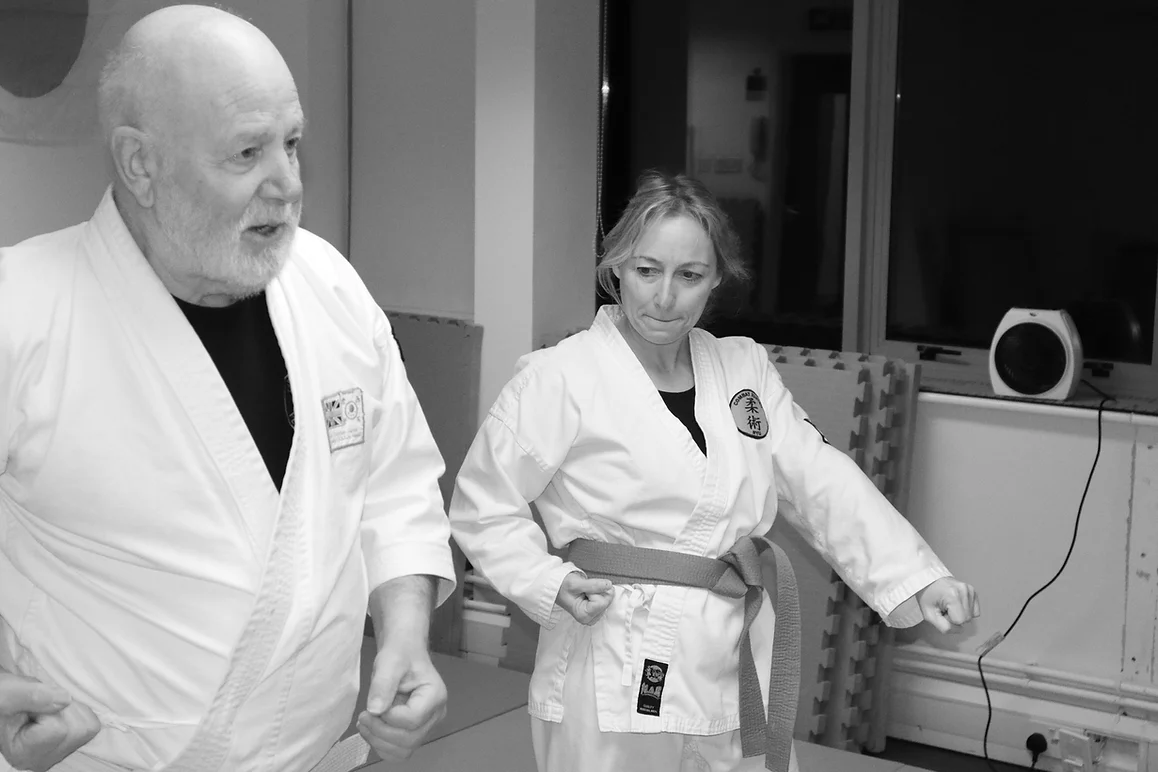
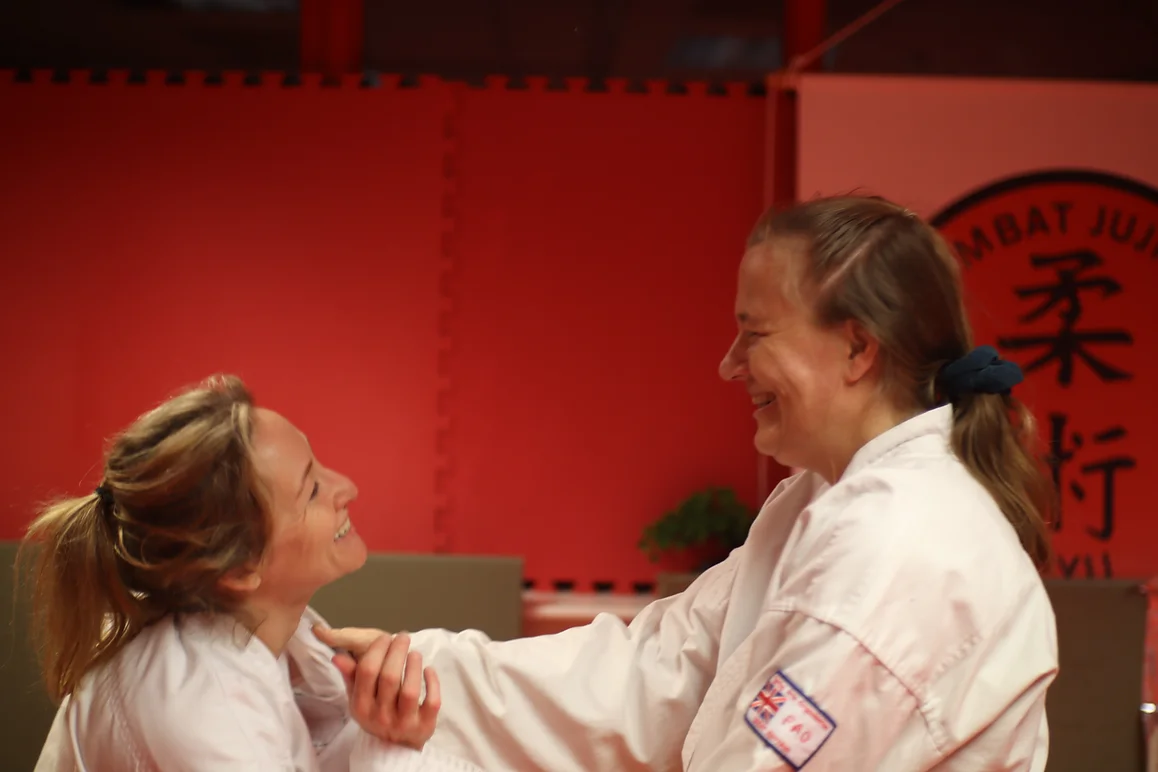
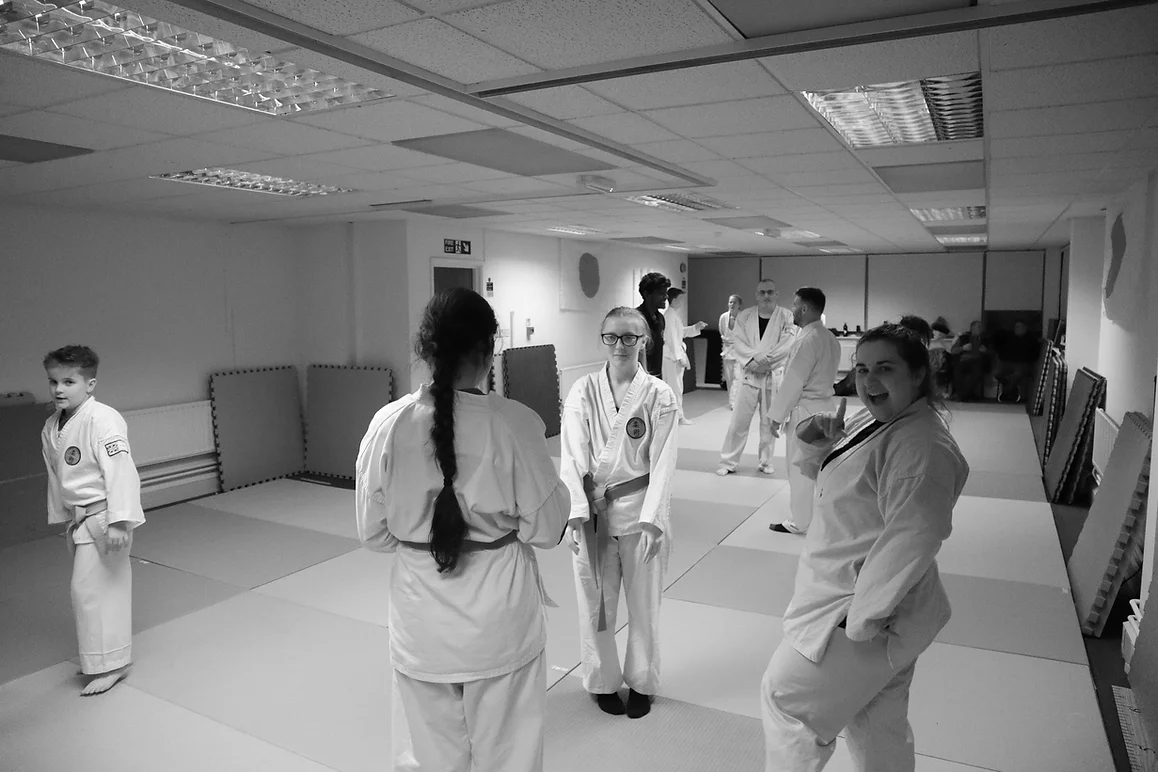
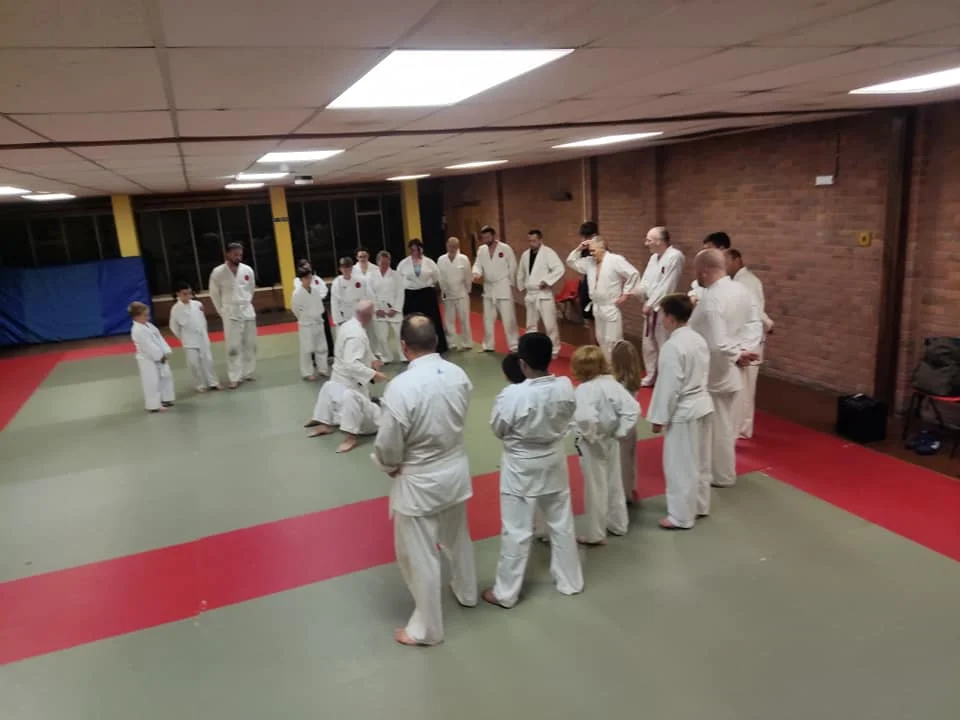
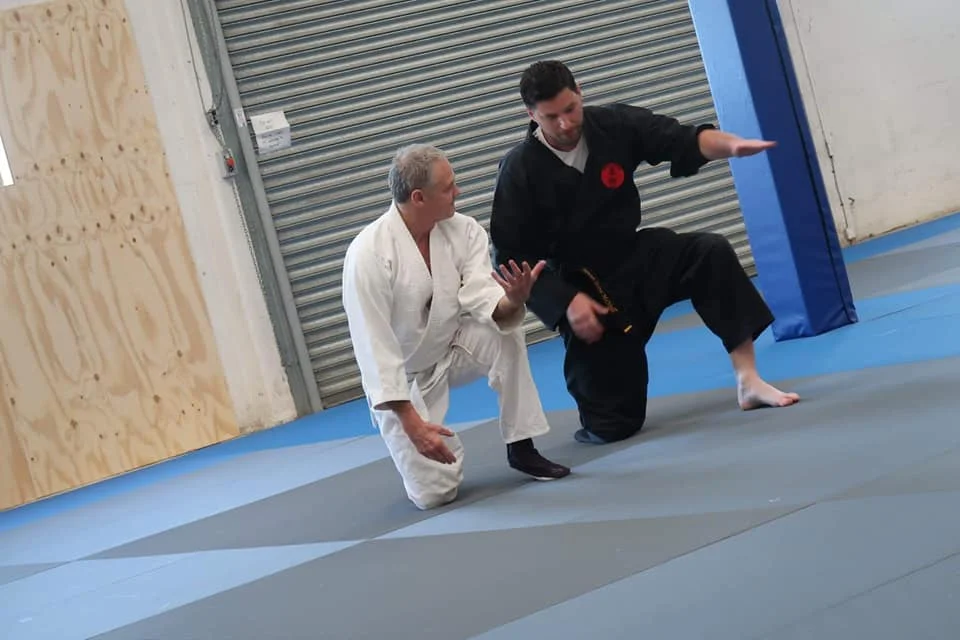
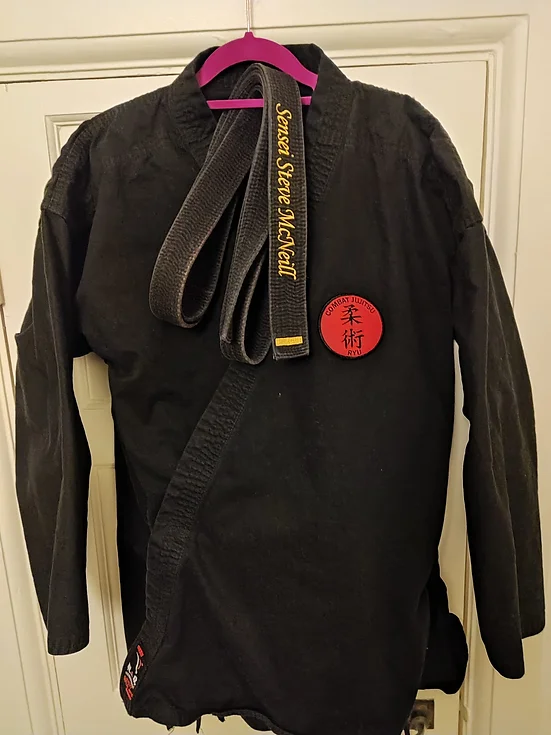
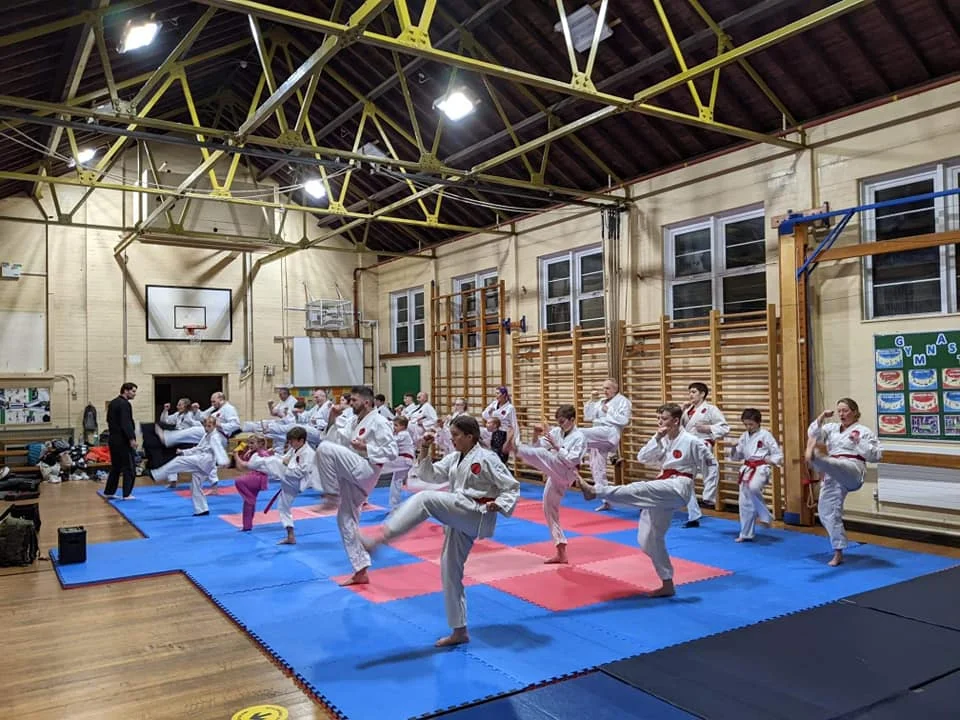
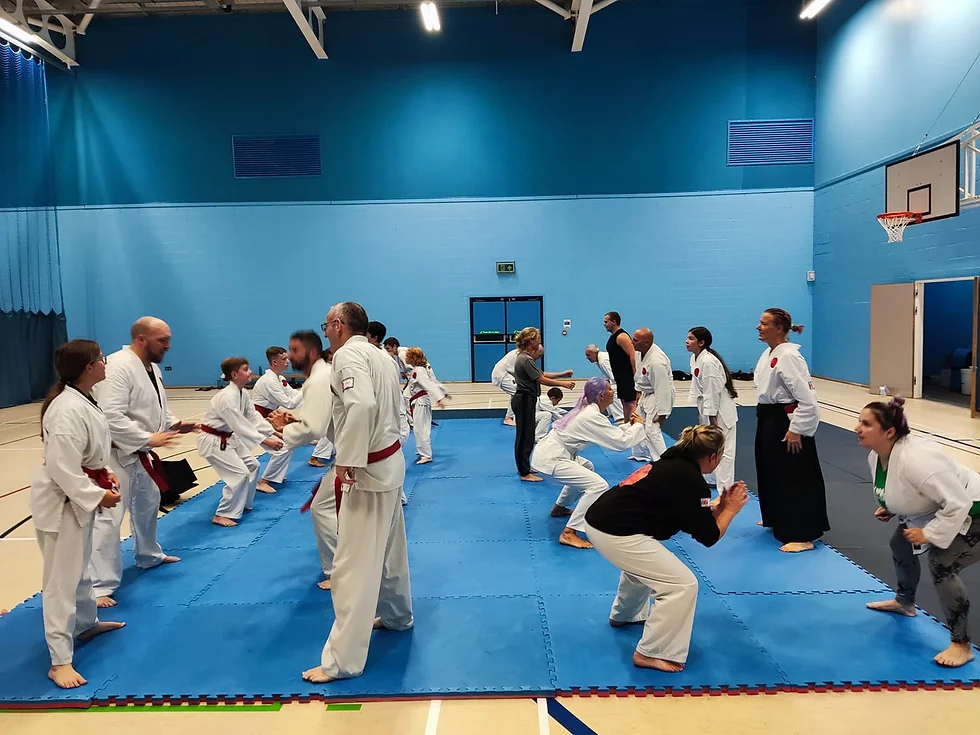
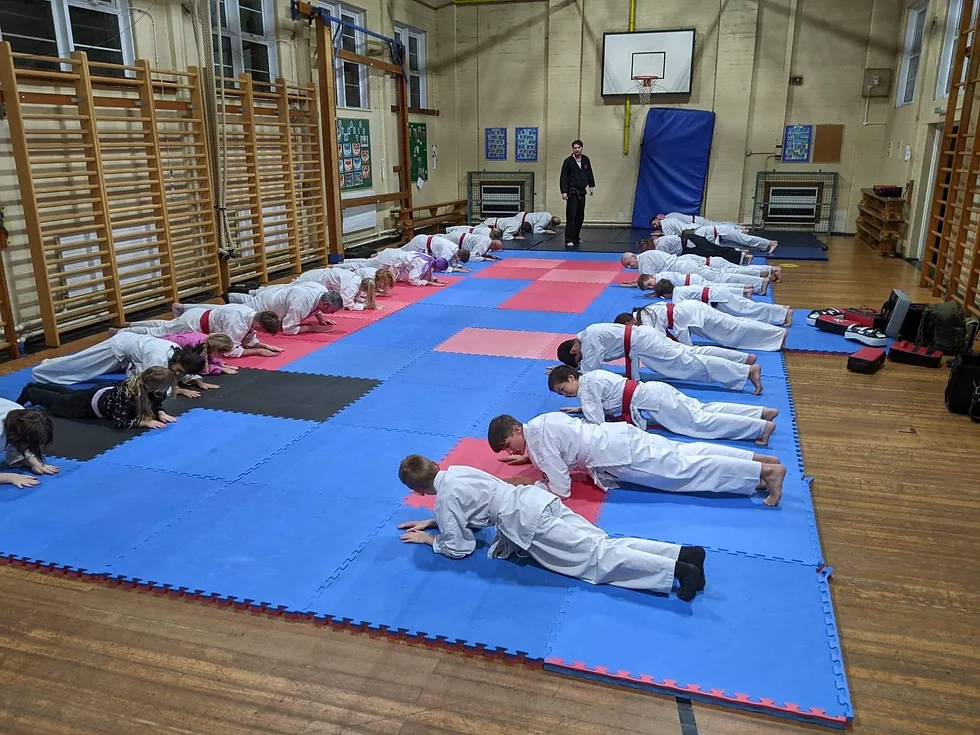
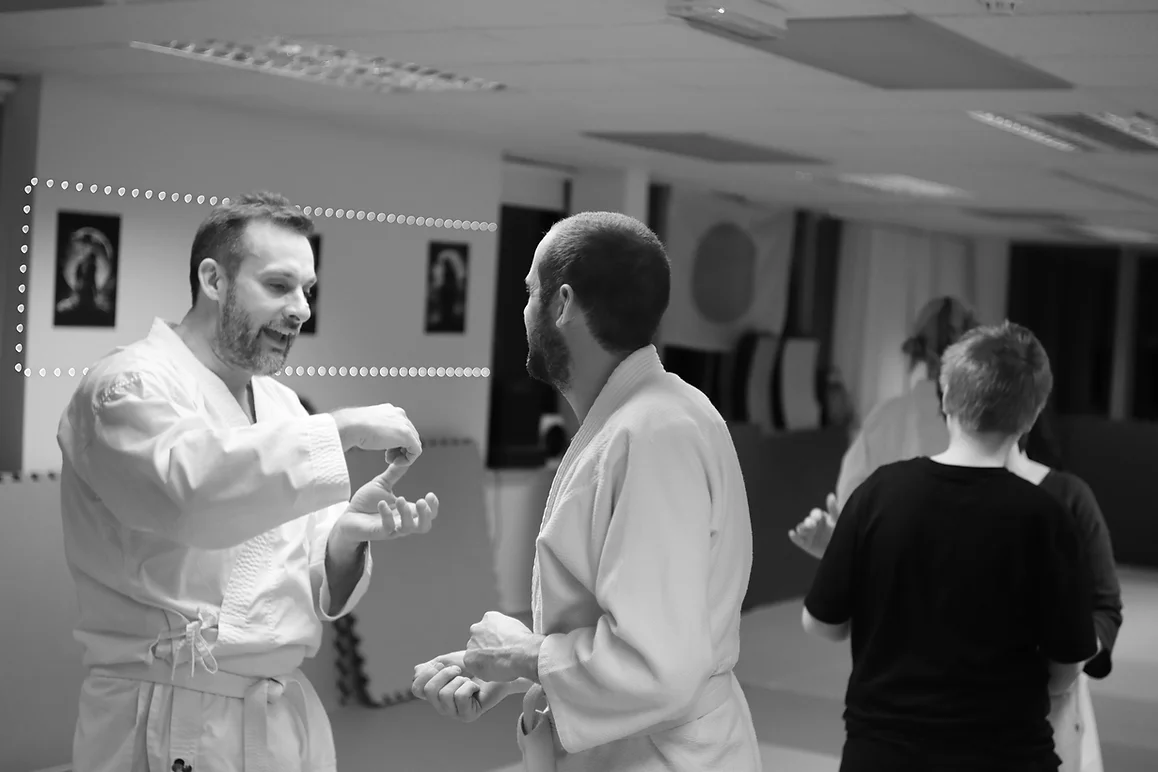
Welcome to our school! Here’s what we’re all about:
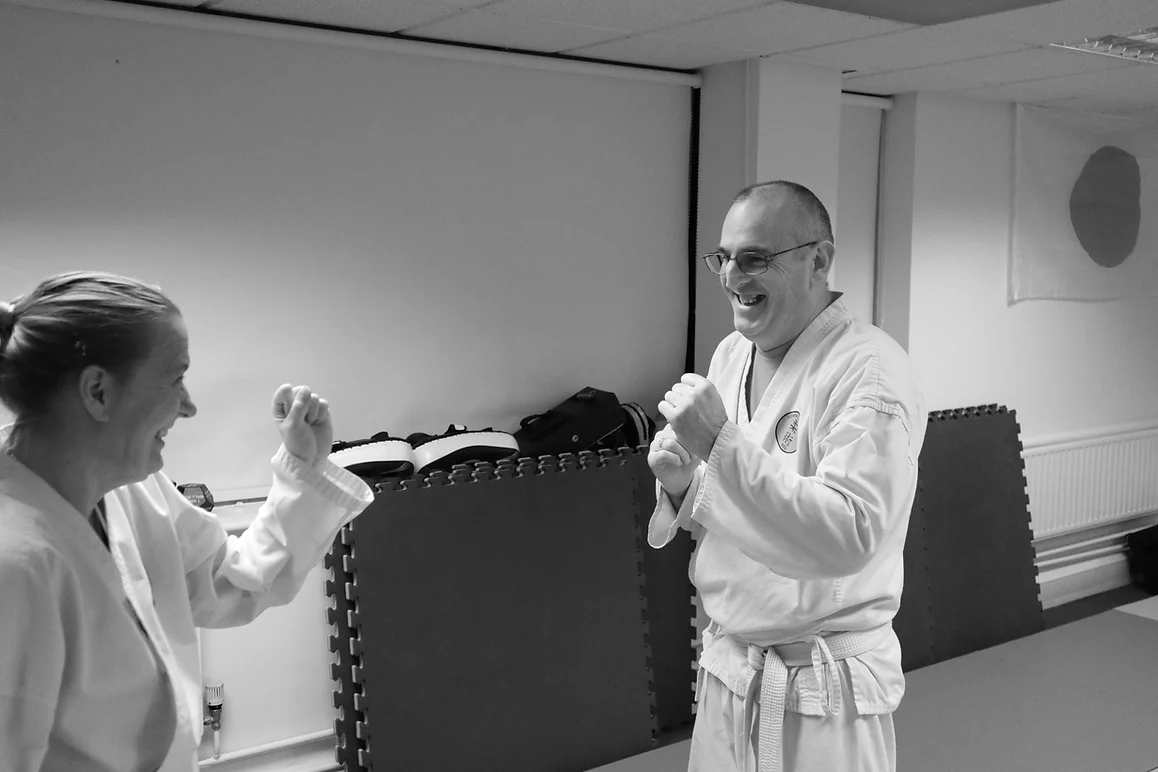
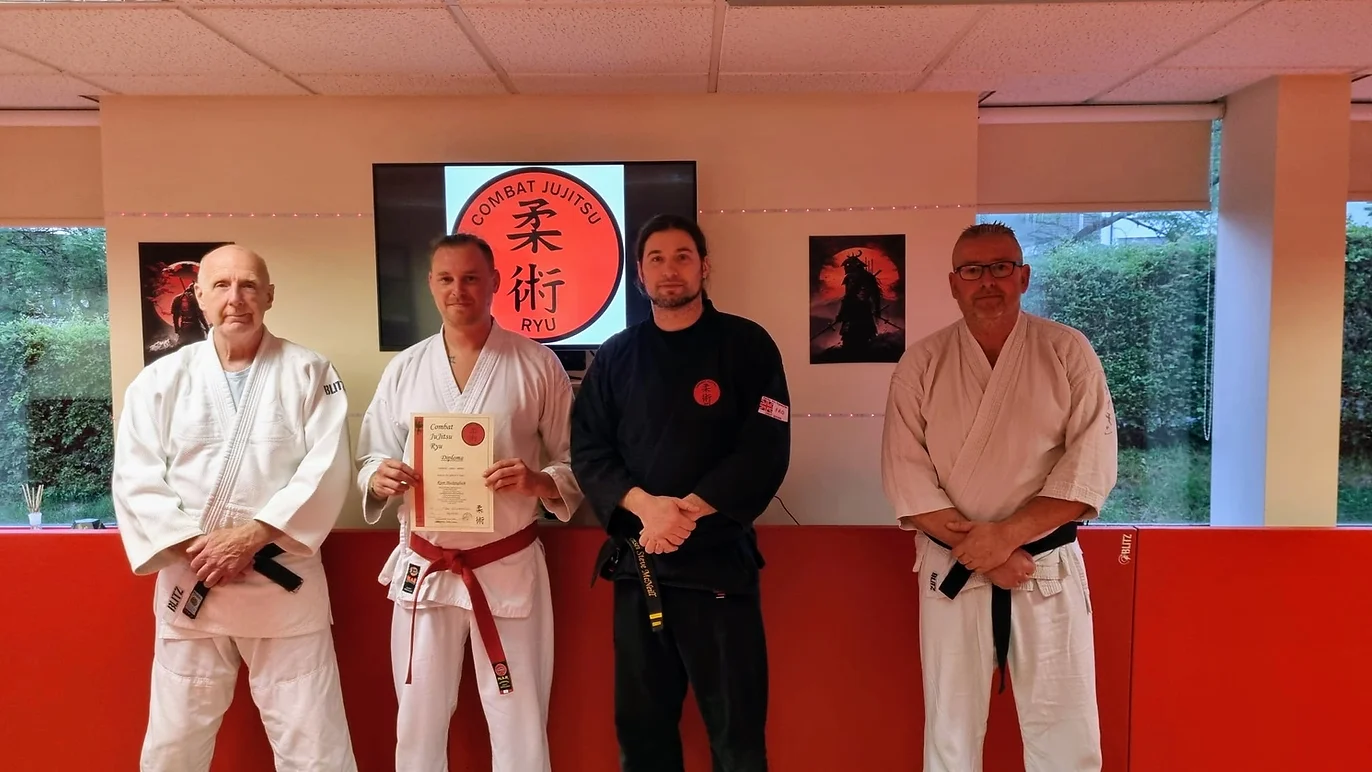
- Everyone is welcome, no matter your background or experience level
- Progress over perfection, it’s about the journey, not the destination
- Leave the egos at the door, we value teamwork and humility
- Technique beats strength, focus on skill, not brute force
- Discipline, respect, and etiquette are the foundation of everything we do
- We honour the heritage and traditions of our art
- Equality for all, everyone is treated with respect and individuality
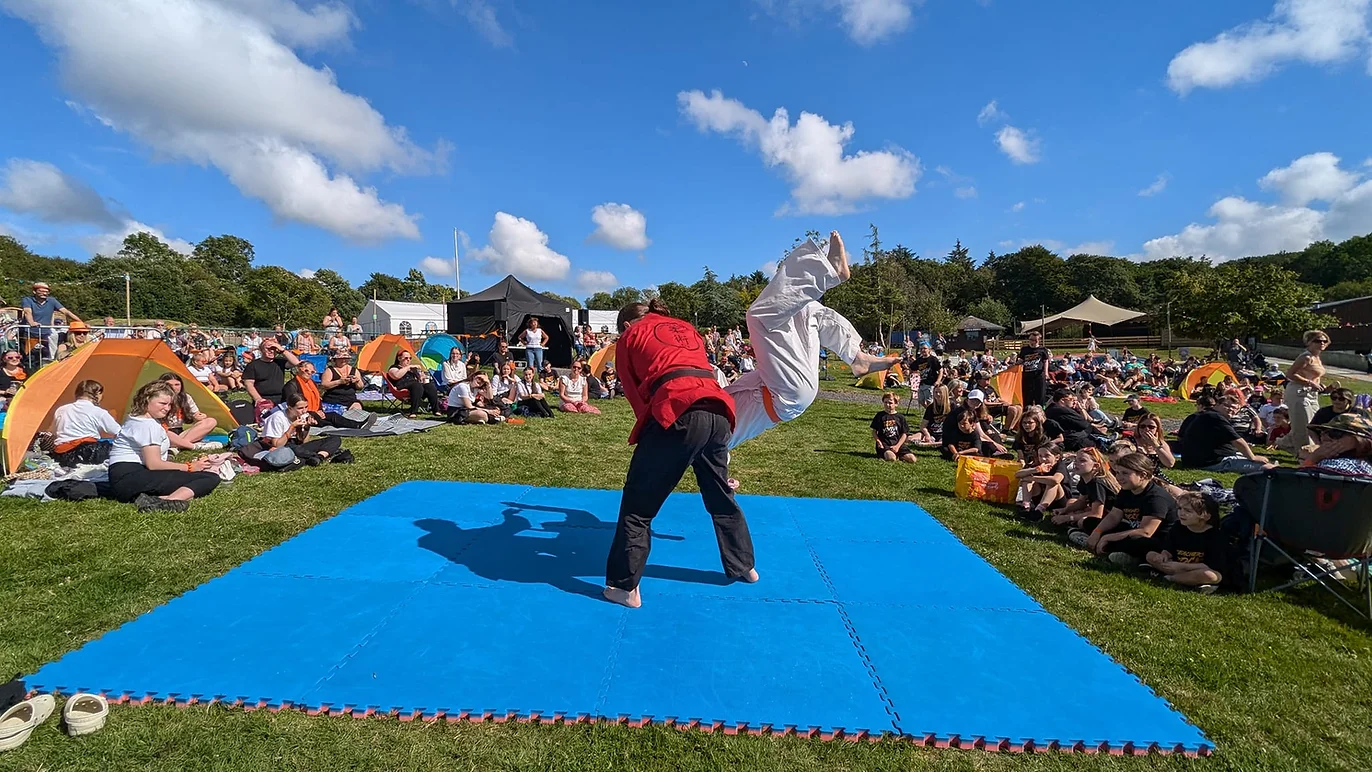
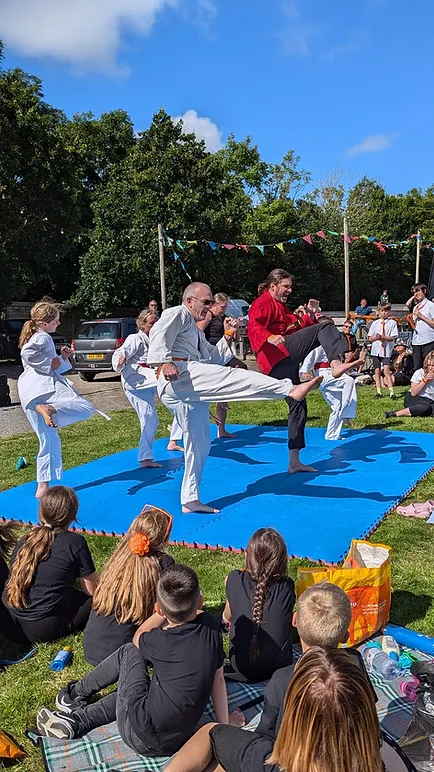
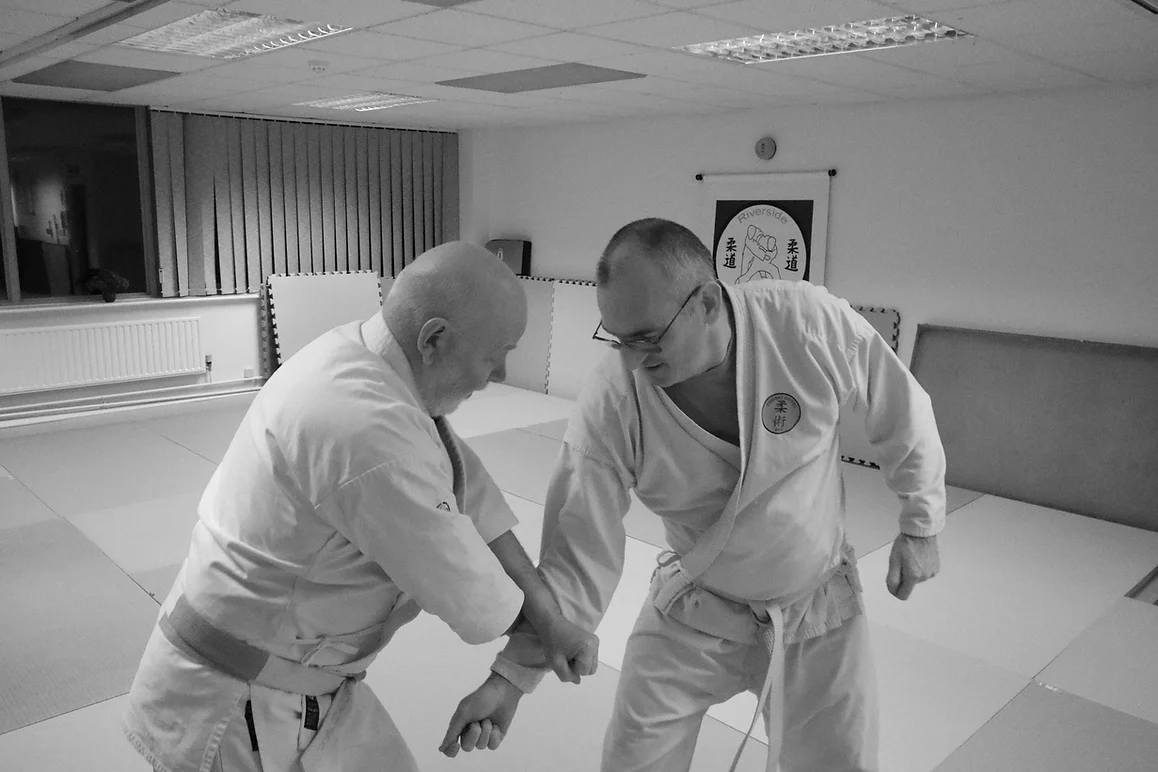
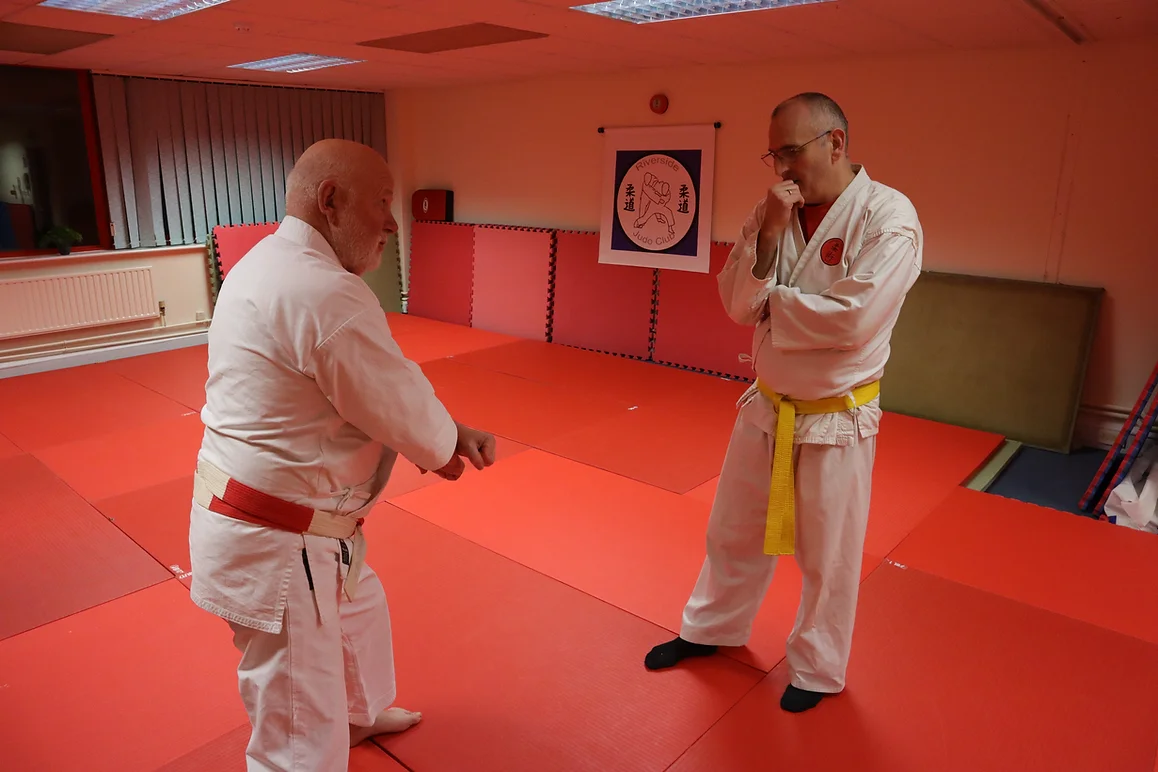
At Rōsei-Ryū Jūjutsu, we focus on promoting physical and mental wellbeing and teaching practical self-defence through these time-honoured techniques.
Jujitsu’s roots reach back to feudal Japan and the battlefields of the samurai era, roughly the 12th through 19th centuries. It was a warrior’s answer to losing a weapon, or facing an armoured opponent striking alone couldn’t defeat: a way to turn an opponent’s own strength and momentum against them. Its grappling, throws, joint locks, and strikes were forged in real combat, not sport, built around ending a confrontation quickly and staying on your feet. Groundwork existed, but it was never the art’s primary focus, a point often lost today.
You’ll also see it written as Jujutsu or Jiu-Jitsu; all three are the same Japanese word, just romanised differently over time, with “Jujutsu” closest to the original pronunciation.
In the late 1800s, Jigoro Kano reshaped his Jujitsu training into something safer to practise and compete in, stripping out the strikes and small joint locks too dangerous for full-intensity training and building Judo around what remained. Decades later, Judo travelled to Brazil and gave rise to Brazilian Jiu-Jitsu (BJJ), with its own strong ground-fighting focus. BJJ, then, descends from Judo, not directly from Jujitsu, separated by over a century and a different art entirely. “Jujitsu” has since become a catch-all term that can obscure this: traditional Jujitsu remains its own art, distinct from what came after it.
At Rōsei-Ryū Jūjutsu, we teach that original art: the technique, the philosophy, and the effectiveness that have carried it, largely unbroken, from the samurai to the present day.